
Lisbon in 3 days: yellow trams, viewpoints and pastéis de nata
— / 10
(0 ratings)
 ES
 EN

Lisbon
⛰️ ALTITUDE
2 m
📅 BEST SEASON
April to June and September to October
🗣️ LANGUAGE
Portuguese
💉 VACCINES & PREVENTION
No mandatory vaccines are required for entry. Routine vaccines (MMR, tetanus-diphtheria) should be up to date; check with a travel health clinic before departure.
Why go to Lisbon. Lisbon is the capital of Portugal and one of the most photogenic cities in Europe: it spreads over seven hills beside the Tagus estuary, with colourful façades, tiles, viewpoints and century-old trams that climb and descend its slopes. It has a relaxed pace, good weather almost all year round and very accessible food. How to organise the three days. A simple proposal: the first day, the Baixa (Praça do Comércio, Rua Augusta and the Santa Justa Lift); the second, Alfama and tram 28 with its viewpoints; and the third, Belém (Belém Tower and the Jerónimos Monastery) and a break for pastéis de nata. Bring comfortable shoes, because the city is very steep and the cobbles are slippery.
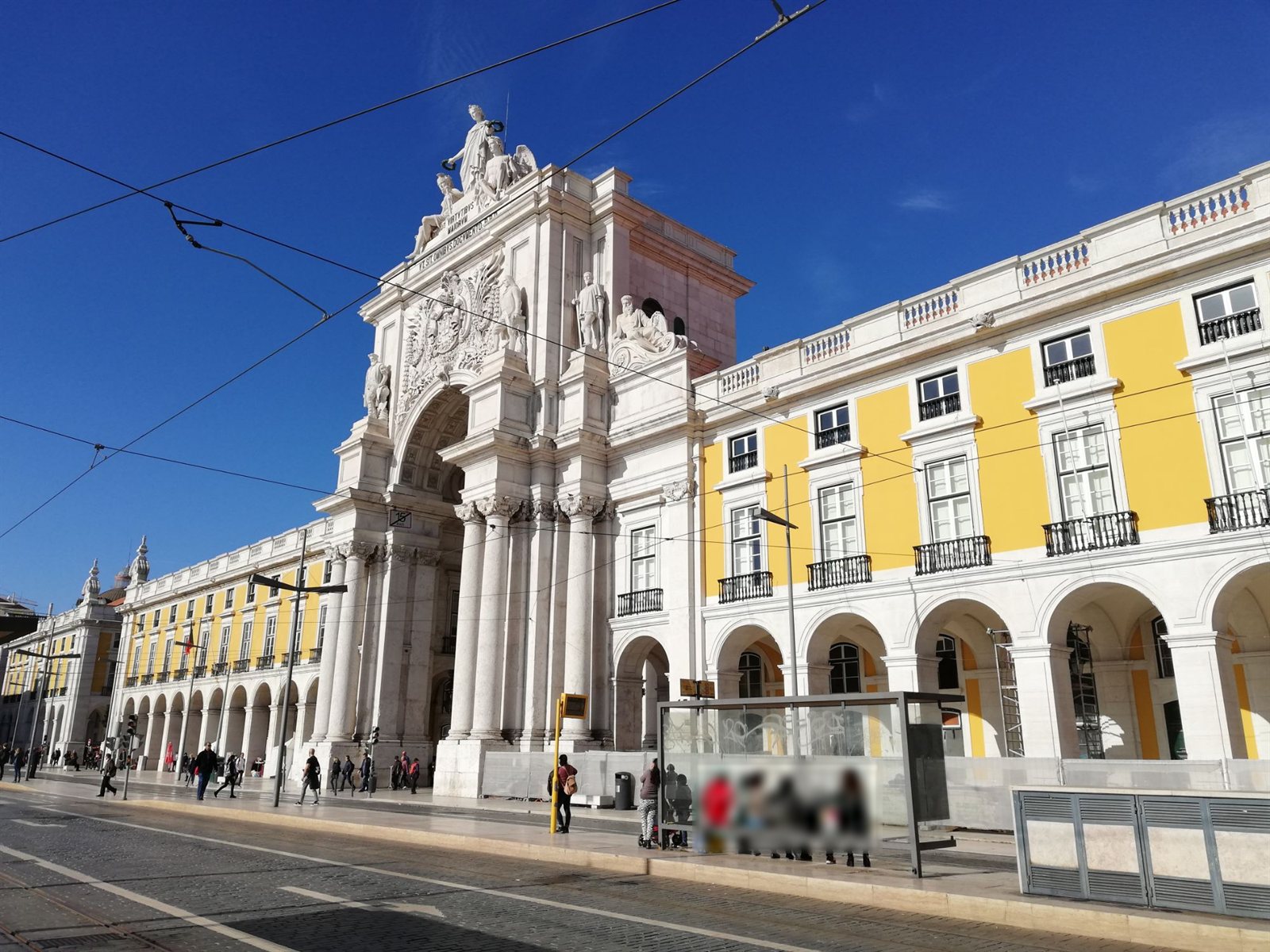
Praça do Comércio and the Rua Augusta Arch. The great square open to the River Tagus, also called Terreiro do Paço, is the gateway to the Baixa. It was rebuilt after the 1755 earthquake with arcaded buildings with yellow façades, and at the far end stands the Rua Augusta Arch, crowned with allegorical sculptures, which leads onto the liveliest pedestrian street in the centre. You can climb to the top of the arch to see the square and the river from above. It is a good place to start the day, with the morning light and fewer people.
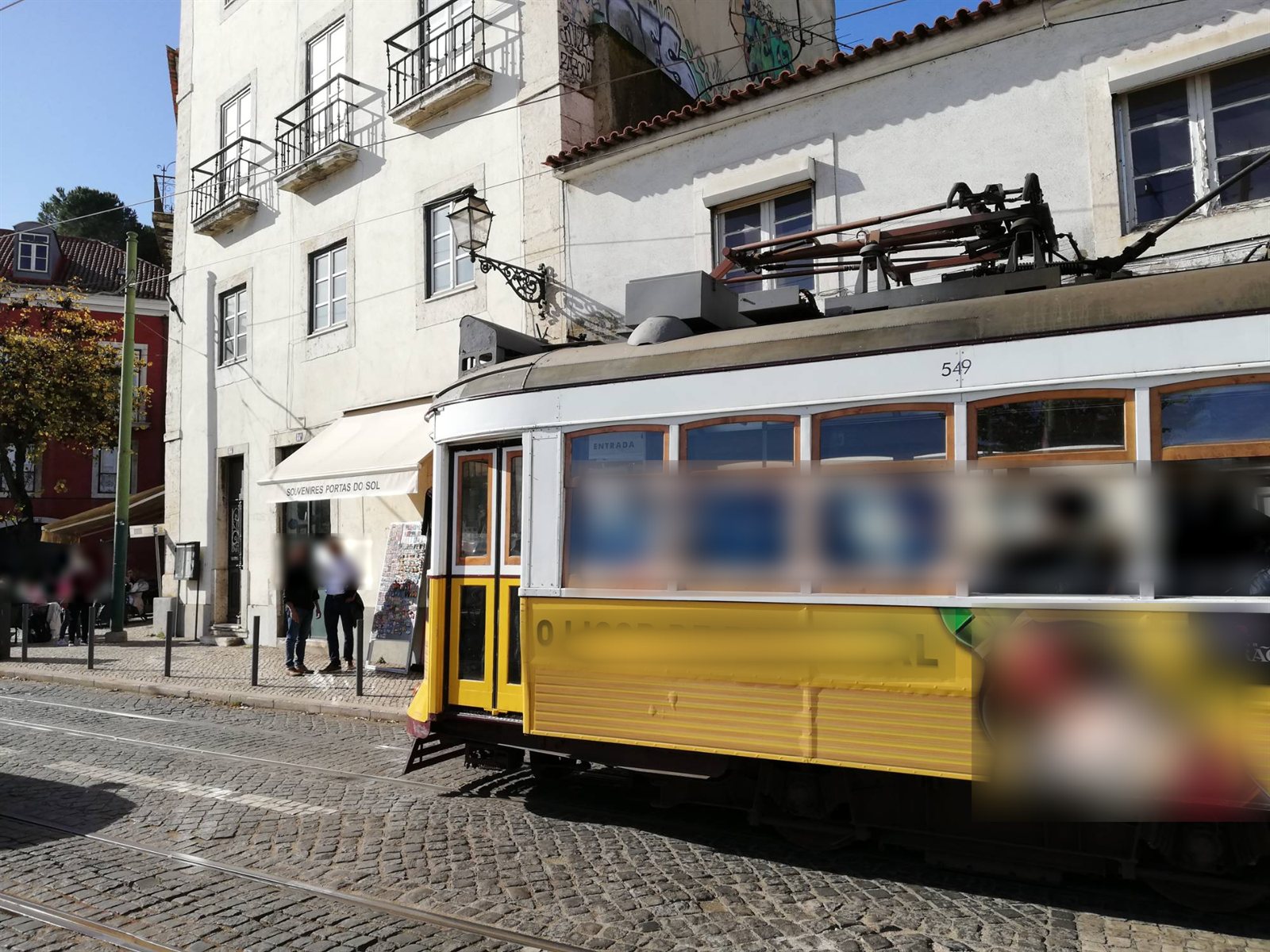
Tram 28 and Alfama. Lisbon’s yellow trams are a symbol of the city. Tram 28 runs through the historic centre between Martim Moniz and Campo de Ourique, passing through Graça, Alfama, the Baixa, the Chiado and Estrela, along narrow streets and impossible bends. Alfama is the oldest and most typical district, with alleys, hanging laundry, tiled houses and the sound of fado on many nights. It is best to ride early or at the end of the afternoon, because the queue can be long, and to watch your pockets, since it is a very touristy route. If you prefer to walk, the Santa Luzia and Portas do Sol viewpoints offer the best views of the district and the river.
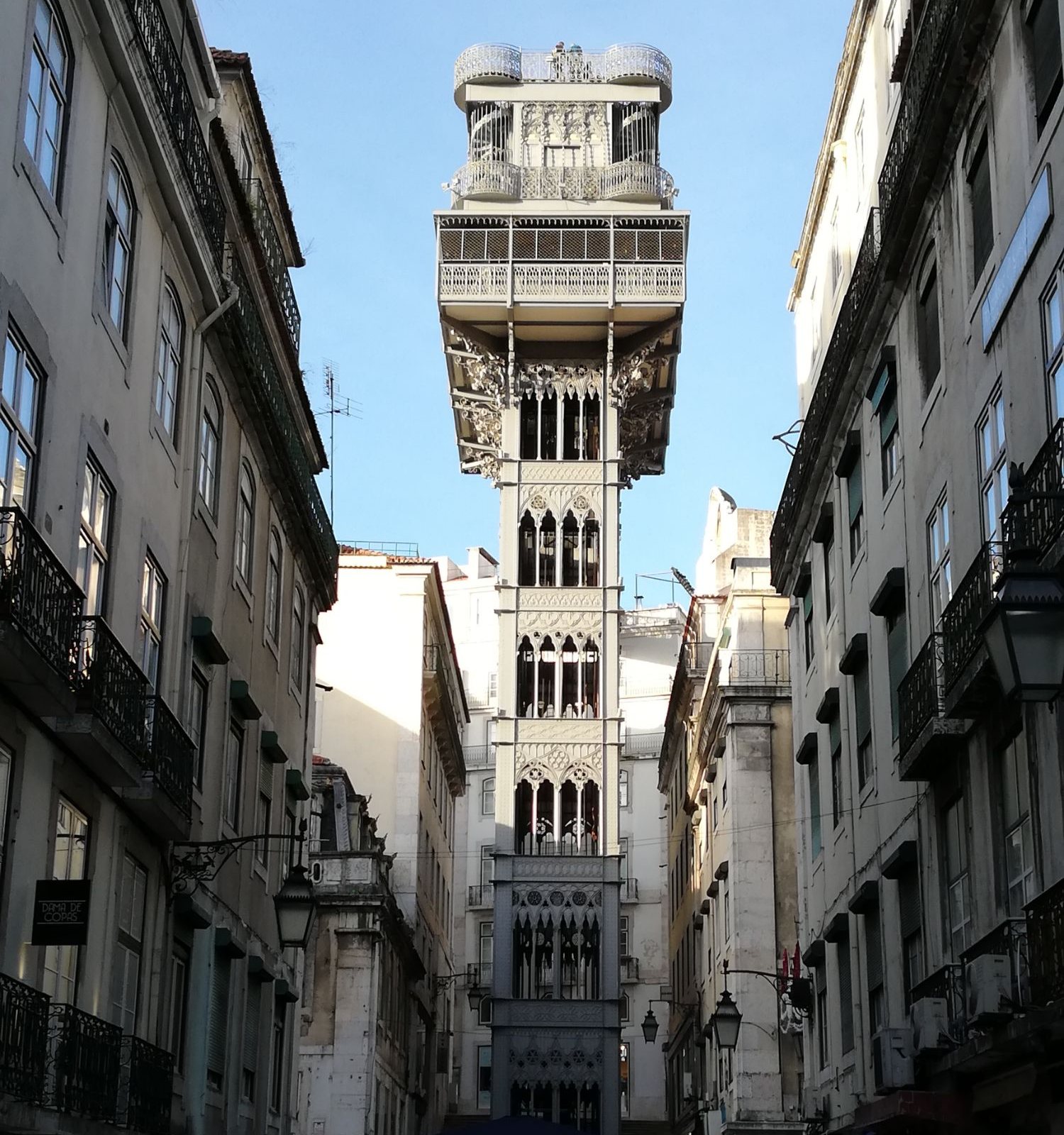
The Santa Justa Lift. This neo-Gothic iron tower, opened in 1902, connects the Baixa with Largo do Carmo, about 45 metres higher up. It was designed by Raoul Mesnier du Ponsard, a disciple of Gustave Eiffel, and it still works with its wooden cabins. At the top there is a terrace with views over the rooftops of the Baixa, St. George’s Castle and the Tagus. There is usually a queue, so it is best to go early; the ruins of the Carmo Convent are right next to the top.
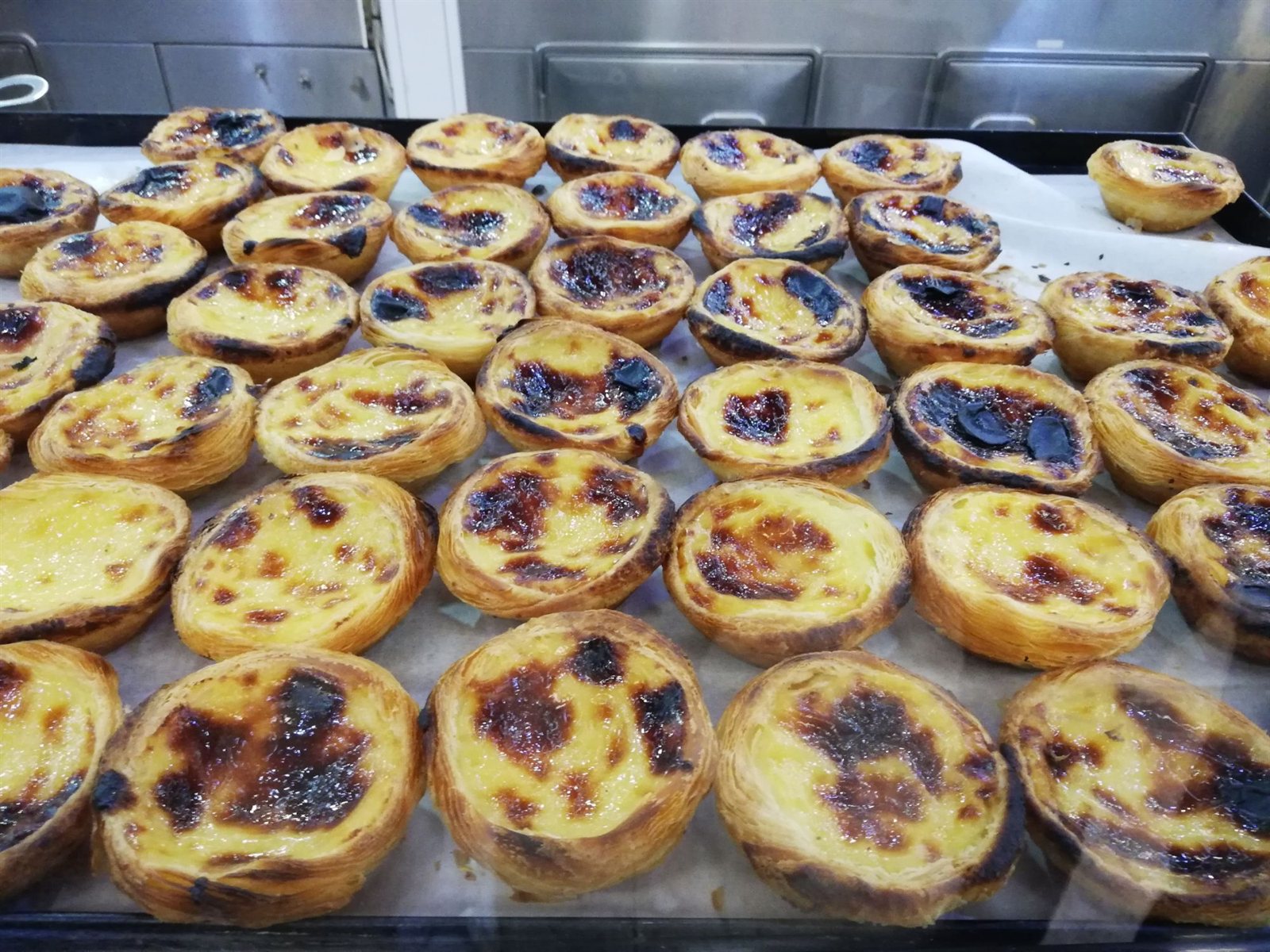
Pastéis de nata. Portugal’s most famous sweet is a puff-pastry tartlet filled with egg custard and caramelised on top. They were born in the 19th century around the Jerónimos Monastery, in Belém, and today they are baked in pastry shops all over the city. They are eaten warm, with a little cinnamon and icing sugar, and with a coffee (a bica). It is worth trying several places and comparing, and ordering a couple more for the road.
Practical tips. (1) Wear comfortable shoes: the slopes are long and the cobbles are slippery when wet. (2) The metro, trams and buses are paid for with a rechargeable card; check the daily pass options. (3) Get up early at the most famous places to avoid queues. (4) Beware of pickpockets on tram 28 and in the most touristy areas. (5) Spring and autumn are the best seasons: in summer it is very hot on the slopes. (6) Book restaurants with fado in advance, as they fill up at night. Conclusion. Lisbon is best enjoyed on foot, climbing to its viewpoints and sitting on any terrace. Three days let you see the essentials and there is always a reason to come back.

Blog designed by
meligon
What do you think about the blog? Please rate it.
Lisbon in 3 days: yellow trams, viewpoints and pastéis de nata
Lisboa
Why "Treep"?
Treep comes from the union of "Tree" and "Trip".
A tree grows deep roots while never stopping its upward, outward growth. That is how we think about travel: it is not just moving from one place to another, but also a journey back to our own roots, a way to reconnect with nature and with the people around us, and a path of personal growth that every trip leaves behind.
Treep was born to be part of that journey: a place to plan, share and keep the trips that help us grow, the same way a tree never stops reaching outward with its branches.